
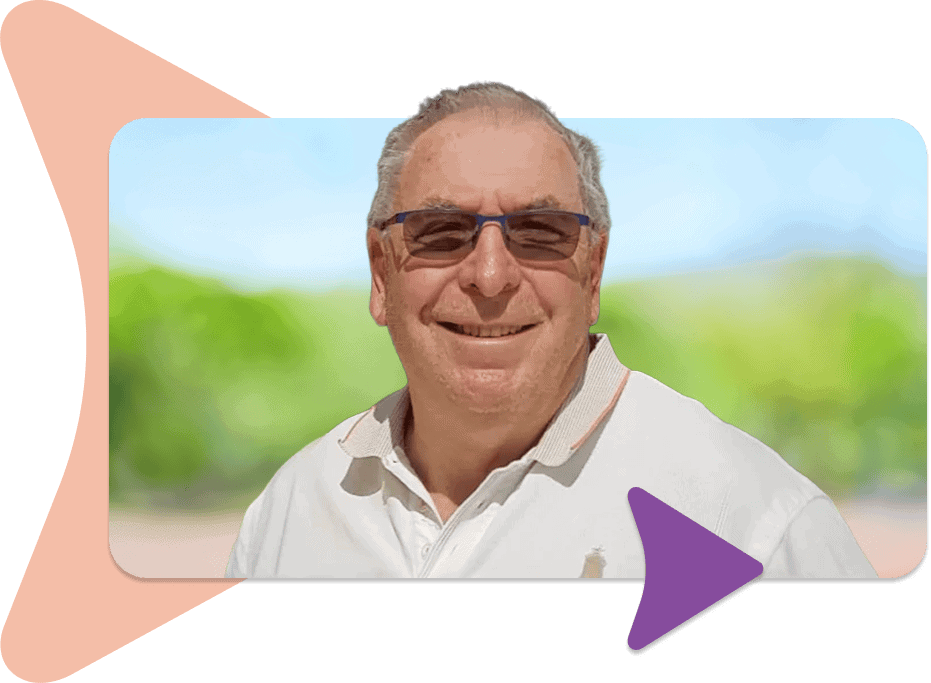
"If one person, working independently and at negligible cost, can achieve measurable results, why have billions of dollars failed to do the same?"
- Dr. Albert Wright
Dr. Albert Wright's Parkinson's Research: Honoring a Scientist, Innovator, and Co-Founder.
When Dr. Albert F. Wright was diagnosed with Parkinson’s disease in 2018, he refused to accept the notion that “nothing could be done.” A chemist and physicist by training, Dr. Wright had spent his career at leading institutions including the University of Oxford and the Institut Laue-Langevin in Grenoble, France.
He turned his scientific expertise toward understanding what was happening inside his own body — and in doing so, inspired a new way of thinking about Parkinson’s disease itself. His search led to the his development of a natural, non-pharmaceutical therapy using compounds from broccoli seeds to help the body fight cellular stress. Known as Broccoli Seed Tea (BST) therapy, this innovative approach showed promise in reducing non-motor symptoms and stabilizing quality of life in Parkinson’s patients.
Understanding Parkinson’s Beyond Movement
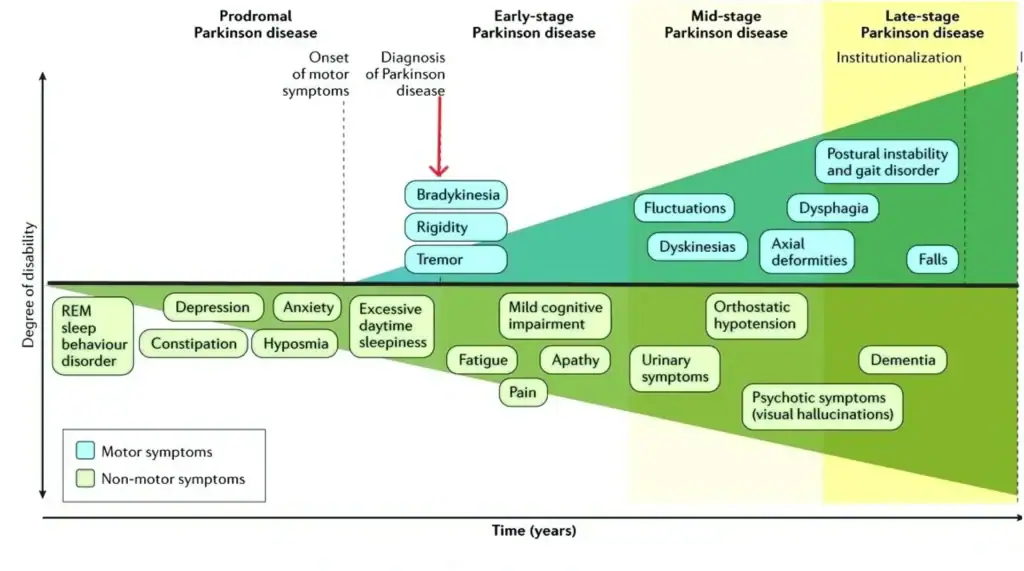
For much of modern medicine, Parkinson’s has been viewed narrowly as a movement disorder. Dr. Wright challenged that definition. He recognized that Parkinson’s affects far more than movement — it is a multisystemic syndrome, impacting everything from digestion and sleep to mood and energy regulation. Furthermore, many non-motor symptoms are present up to 15 years before a diagnosis.
"The problem begins long before motor symptoms appear — in the body’s cells, where energy production falters and oxidative stress takes hold."
- Dr. Albert Wright
Parkinson's Disease: Before Diagnosis
- The diagnosis of Parkinson's disease is based on the presence of motor symptoms.
- Many non-motor symptoms are present up to 15 years before diagnosis.
- At the time of diagnosis, up to 70% of dopamine-producing neurons are no longer functional.
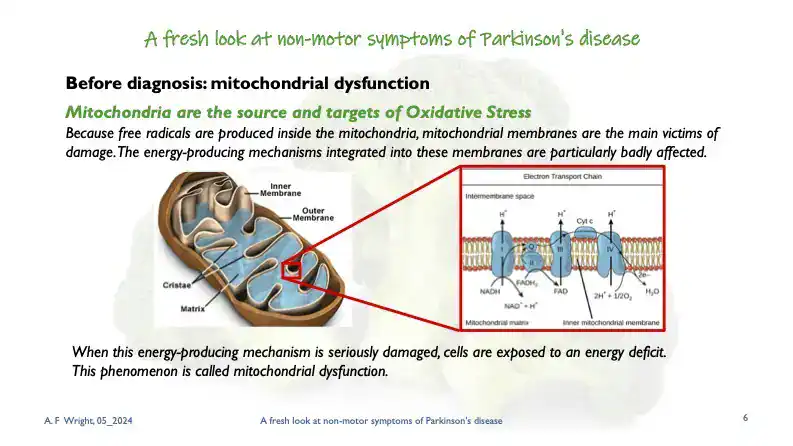
Inside the Cell – Mitochondria and Oxidative Stress
Every cell in the body relies on tiny “power plants” called mitochondria to produce energy. When these mitochondria malfunction, they generate excessive by-products called free radicals — unstable molecules that damage nearby proteins, fats, and DNA.
Normally, the body’s antioxidants neutralize these free radicals and keep things in balance. But when free radicals overwhelm the system, oxidative stress occurs. This imbalance damages neurons, particularly those that produce dopamine — the cells most affected in Parkinson’s disease.
Dr. Wright saw this imbalance not as a symptom, but as a root cause — and sought ways to restore the body’s natural defenses.

"Patient-scientists are proving that meaningful discovery doesn’t only happen in the lab — it happens wherever curiosity meets courage."
Sulforaphane — Nature’s “Master Switch” for Defense and Repair
Dr. Wright focused his research on sulforaphane, a natural compound found in broccoli, cabbage, kale, and other cruciferous vegetables. Sulforaphane activates a powerful cellular pathway called Nrf2 — sometimes described as the body’s master switch for defense and repair.
When Nrf2 is activated, it turns on hundreds of genes responsible for:
- Producing antioxidants that neutralize harmful free radicals
- Reducing inflammation
- Supporting cellular detoxification
- Protecting mitochondria and brain cells
This mechanism suggested that sulforaphane could help correct the very processes that drive Parkinson’s progression.
The Birth of Broccoli Seed Tea
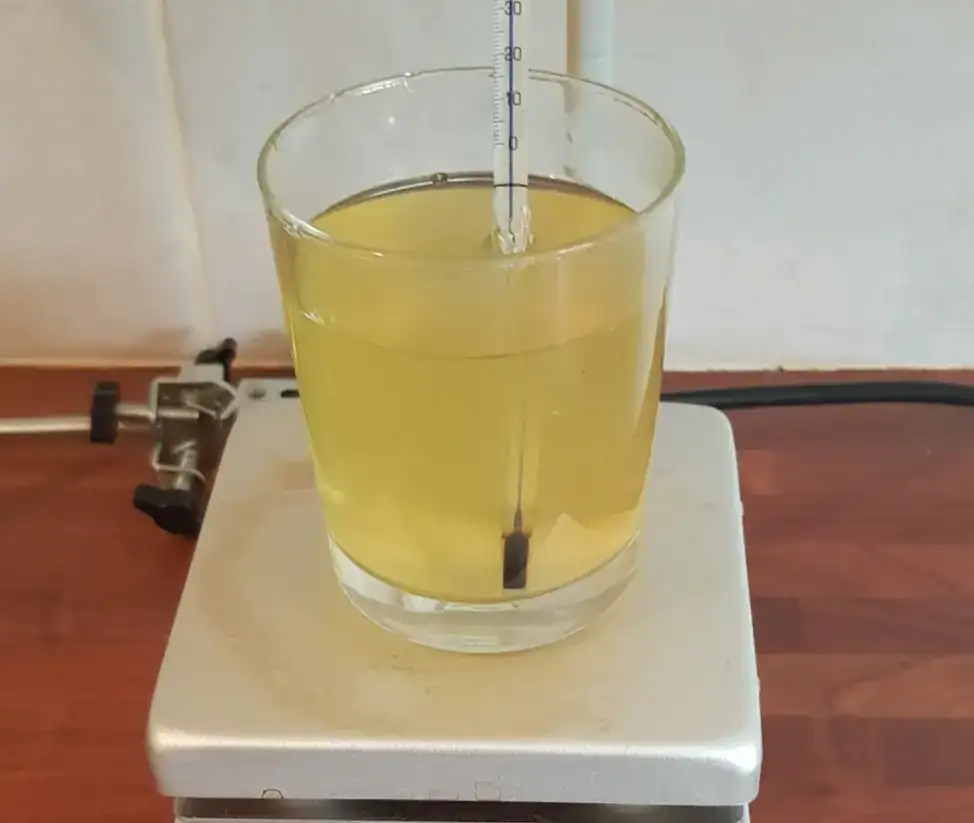
Dr. Wright discovered that broccoli seeds contain the highest concentration of sulforaphane precursors. He developed a unique brewing process to extract these compounds into a highly bioavailable form — what became known as Broccoli Seed Tea (BST).
Through self-experimentation and small patient-led trials (known as N = 1 research), Dr. Wright and others noticed improvements in non-motor symptoms such as fatigue, constipation, and sleep quality.
From Discovery to Movement
The success of these early efforts inspired the founding of Resolve Parkinson’s, uniting Dr. Wright and fellow patient-scientists to advance research shaped by lived experience.
While mainstream research institutions dismissed his findings, Dr. Wright’s work demonstrated that progress can emerge from outside traditional systems. His belief — that knowledge and experimentation should be shared openly — remains at the core of our mission today.
Continuing Dr. Wright's Work
Resolve Parkinson’s continues to honor Dr. Wright’s legacy through its commitment to patient-led research, education, and advocacy. Our initiatives build upon his insights into oxidative stress, mitochondrial health, and natural compounds such as sulforaphane.
To explore more of Dr. Wright’s research, writing, and patient-led approach, visit The Patient Researcher.
FAQs
Dr. Albert F. Wright was a British scientist who lived in Grenoble, France, and worked at one of Europe’s leading research centers. After being diagnosed with Parkinson’s disease, he used his scientific background to study ways to reduce the stress and inflammation inside the brain that drive Parkinson’s symptoms.
Sulforaphane is a natural chemical found in certain vegetables — especially broccoli sprouts. It acts like a “master switch” that turns on your body’s own defense systems.
It helps by:
- Reducing oxidative stress - prevents “cell rusting” caused by unstable molecules.
- Calming inflammation - protects brain cells from overactive immune responses.
- Supporting energy production
- Keeps your brain’s “power plants” (mitochondria) healthy.
In Parkinson’s, where brain cells are under constant stress, sulforaphane helps create a healthier environment for them to survive and function.
Dr. Wright discovered that broccoli seeds contain a compound called glucoraphanin, which the body converts into sulforaphane. He developed a simple method for brewing Broccoli Seed Tea (BST) — a natural, inexpensive way to boost sulforaphane levels.
Through self-experiments and small patient-led trials (N=1), Dr. Wright and others noticed significant improvements in non-motor symptoms, including:
- Fatigue
- Constipation
- Urinary urgency
- Sleep problems
These are symptoms that often affect quality of life but are rarely improved by standard Parkinson’s medications.
No. Sulforaphane does not cure Parkinson’s. However, Dr. Wright’s research suggests that it may:
- Help protect remaining brain cells
- Improve non-motor symptoms that standard drugs often don’t address
- Slow down some aspects of cell damage
Motor symptoms, such as tremor and stiffness, are usually linked to irreversible loss of dopamine-producing neurons, which sulforaphane cannot restore.
Research on sulforaphane and Parkinson’s is promising but still early.
Small patient-led studies, including Dr. Wright’s, show real improvements in non-motor symptoms.
Laboratory studies confirm sulforaphane’s ability to reduce inflammation and protect brain cells.
Larger clinical trials are still needed, and Resolve Parkinson’s is working to push this forward.
The easiest and safest way is through food.
- Eat broccoli sprouts - the richest natural source.
- Add cruciferous vegetables to your regular diet: kale, Brussels sprouts, cabbage, bok choy.
- Lightly steam, don’t boil — high heat destroys sulforaphane.
- Sprinkle mustard seeds or mustard powder on cooked veggies to boost sulforaphane activation.
Dr. Wright proposed that many early Parkinson’s symptoms are caused by oxidative stress — when cells are “rusting” from the inside.
His idea: if you give the body sulforaphane (via broccoli seed tea), you can reduce oxidative stress quickly and sometimes see improvements in non-motor symptoms within days or weeks.
This test helped patients identify whether oxidative stress was playing a role in their symptoms.
Here’s a deeper explanation of redox:
- Redox stands for reduction–oxidation, which is a fancy way of describing the balance between free radicals and antioxidants in your cells.
- Healthy redox balance = free radicals and antioxidants are evenly matched.
- Redox imbalance = too many free radicals - leads to oxidative stress and cell damage.
You can think of redox like a seesaw:
- On one side: free radicals (causing damage).
- On the other: antioxidants (providing protection).
When the seesaw tips too far toward free radicals, oxidative stress happens.
Resolve Parkinson’s was inspired by Dr. Wright’s belief that patients can be scientists too.
We are:
- Supporting patient-led studies on natural compounds like sulforaphane.
- Advocating for affordable, accessible therapies.
- Sharing practical, evidence-based information with the Parkinson’s community.
- Fighting for open science — making discoveries available to everyone, not just pharmaceutical companies.
- Explore our educational guides on sulforaphane and diet.
- Join our patient-led research projects. Contact us to learn more.
- Sign up for our newsletter to stay updated on clinical trials and advocacy work.
- Talk to your healthcare provider if you’re considering adding sulforaphane-rich foods or supplements to your routine.
The information on this website is provided for general informational and educational purposes only and reflects the personal experiences and opinions of individuals living with Parkinson’s disease. It is not intended and should not be used as a substitute for professional medical advice, diagnosis, or treatment.
None of the authors, contributors, or operators of this website are medical professionals, and they do not provide medical advice, make medical recommendations, or offer individualized guidance for any person or situation. Nothing on this website creates a doctor–patient or other healthcare professional–patient relationship.
This website does not recommend, endorse, or make any representations or warranties about the accuracy, completeness, efficacy, safety, or suitability of any specific tests, techniques, procedures, treatments, supplements, products, services, opinions, or other information mentioned here. Discussions of herbal or other supplements are for informational purposes only and are not intended to diagnose, treat, cure, or prevent any disease. In many cases, such products and uses have not been evaluated or approved by any regulatory authority.
You are solely responsible for how you use the information found on this website. The website operator and contributors are not responsible or liable for any interpretation, use, or misuse of the information provided here, or for any loss, injury, or damage allegedly arising from your reliance on it.
Medical knowledge and regulatory guidance change over time, and information on this website may not be current or independently verified. You should always confirm any information obtained from this website with other reliable sources and, most importantly, with your physician or other qualified health-care provider. Never disregard, avoid, or delay seeking professional medical advice from your physician or other qualified health-care provider because of something you have read on, or accessed through, this website. If you think you may be experiencing a medical emergency or a serious worsening of symptoms, call your doctor or your local emergency number immediately.
Explore Further
Read Resolve Parkinson's Origin Story
Learn how Dr. Wright’s work inspired the founding of Resolve Parkinson’s.
Lifestyle Education for People with Parkinson's
Learn about practical strategies for improving mitochondrial health and daily well-being.
Resources for Care Partners of People with Parkinson's
Find tools, guidance, and support for those caring for People with Parkinson’s.
Voices of Parkinson's Video Series
Hear directly from patients, researchers, and care partners shaping the future of care.