
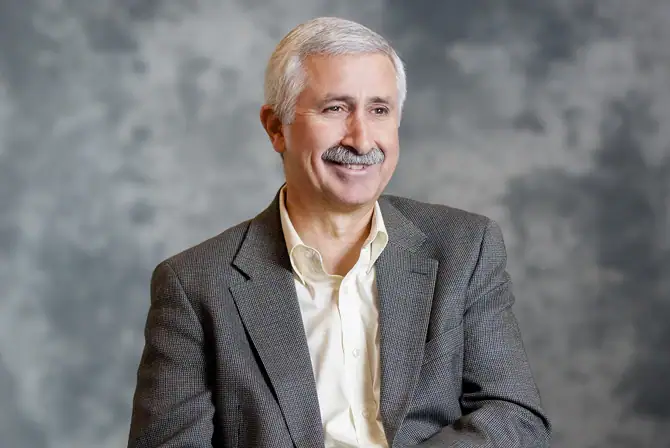
Nutritional Biochemist | Phytochemical Researcher | Advocate for Food-Based Health Solutions
“Food can be more than fuel—it can switch on the body’s own defense systems.”
Dr. Jed W. Fahey, MS, ScD, is a nutritional biochemist whose career helped transform the way we think about food and health. For nearly three decades, he led groundbreaking research in the laboratory and the clinic at Johns Hopkins University. There, he co-founded the Cullman Chemoprotection Center—a hub dedicated to studying natural compounds in plants that help the body defend itself against stress and disease. Today, he continues this work with adjunct faculty positions at the Johns Hopkins University School of Medicine and the Institute of Medicine at the University of Maine.
Dr. Fahey is a vocal advocate for patient empowerment, encouraging individuals to take an active role in their health through informed dietary choices. Whether through growing broccoli sprouts at home or selecting high-quality supplements, Dr. Fahey’s insights have helped thousands navigate the complex terrain of chronic illness with clarity and hope.
Dr. Fahey’s legacy is not just in the lab—it’s in the kitchens, gardens, and lives of people who are reclaiming their health one sprout at a time.
Why His Work Matters for Parkinson’s
Dr. Fahey is best known for his research on sulforaphane, a powerful compound naturally formed when we eat certain cruciferous vegetables—especially broccoli sprouts. His studies have shown that sulforaphane is the most potent naturally occurring activator of Nrf2, a “master switch” in our cells that:
- Reduces oxidative stress (cellular “rust” that damages brain cells)
- Calms inflammation in the brain
- Supports mitochondrial function, the “power plants” of our cells
- Enhances detoxification pathways that keep harmful substances in check
These mechanisms are deeply relevant to Parkinson’s disease, where oxidative stress and inflammation play central roles.
The Science So Far
Dr. Fahey’s work connects laboratory science with real-world applications:
Preclinical Evidence – In animal and cell models, sulforaphane has repeatedly shown neuroprotective effects, supporting brain cells under stress and improving pathways tied to Parkinson’s biology.
Early Human Insights – Studies in healthy adults have found that sulforaphane can raise glutathione levels—the brain’s most important antioxidant—and even influence brain chemistry measured by advanced imaging techniques.
What We’re Still Learning – A 24-week, Phase 2 double-blind, placebo-controlled clinical trial—designated NCT05084365—is currently underway to evaluate the potential of sulforaphane as an adjunct therapy in Parkinson’s disease (PD). This study will help determine whether the compound can improve symptoms or slow disease progression. Results are not expected until sometime in 2026 or 2027.
From Lab to Lifestyle
One of Dr. Fahey’s most game-changing insights is showing us how to actually unlock sulforaphane’s full potential in the body. While many health supplements promise results, Dr. Fahey’s research goes a step further—revealing simple, science-backed ways to activate and absorb this powerful compound from everyday foods like broccoli sprouts. Thanks to his work, consumers can now make informed choices that truly harness sulforaphane’s benefits for detoxification, inflammation, and long-term wellness.
“It’s not just what you eat—it’s how your body activates it.”
What This Means for the Resolve Parkinson’s Community
At Resolve Parkinson’s, we believe in empowering patients and care partners with evidence-based strategies. While sulforaphane is not a cure and research is ongoing, Dr. Fahey’s work offers hope and practical guidance on how diet may support brain health and cellular resilience.
Simple, everyday steps inspired by science (education, not medical advice):
- Incorporate cruciferous vegetables into your regular diet — broccoli, Brussels sprouts, kale, cabbage, and arugula.
- Try young broccoli sprouts — small servings pack a big nutritional punch. ½ cup of sprouts each day will deliver a full load of sulforaphane. And they’re easy to grow at home.
- The secret is myrosinase — a plant enzyme that converts the inactive precursor (glucoraphanin) into active sulforaphane. Raw broccoli sprouts naturally contain myrosinase, making them an especially potent source. Adding mustard or daikon radish to your sprouts is another excellent way to combine glucoraphanin and myrosinase to make sulforaphane.
- Be mindful of preparation — raw or lightly steamed preserves myrosinase; boiling can eliminate it.
- For those who don’t like broccoli, there are now good supplements containing either glucoraphanin or glucoraphanin plus myrosinase. Talk to your clinician before starting supplements — forms and doses matter, and research is still evolving.
Dr. Jed Fahey has dedicated his career to unlocking the healing potential of plants. His research on sulforaphane bridges the gap between cutting-edge science and practical nutrition, offering patients and care partners new ways to support their health journey.
At Resolve Parkinson’s, we share this knowledge so you can make informed, evidence-based choices—because when science meets empowerment, hope grows.